The Library
There are two halves to this. The first is a reading list gathered by thread, of books that are worth the hours they will take from you. The second is a collection of policies, guidance and real examples of services that have changed something, for the days when you need to put a document in front of somebody rather than make the case on your own.
Proving Yourself

Christine Townsend (2025)
This is the Four Threads set out in full, and it is the book the whole training was built on, so it is where to go when you want the thinking behind a tool rather than just the tool itself.

Tara Mohr (2014)
This is about the particular ways that capable women make their own work smaller than it is, and rather than simply naming the habit it sets out what to do instead.
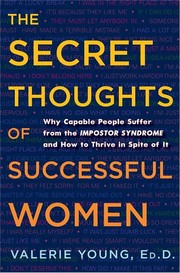
Valerie Young (2011)
This is the original research on impostor feelings in high achievers, and it names the pattern with enough precision that most women recognize themselves somewhere in the first chapter.

Jessamy Hibberd (2019)
This one is short and practical, and it is written by a clinician rather than a motivational speaker, which means it treats the feeling as something to work on rather than something to be talked out of.

Amy Cuddy (2015)
This is about how you carry yourself into the rooms that matter, and it is careful to explain why that is not the same thing as confidence and does not require you to feel any braver than you actually do.
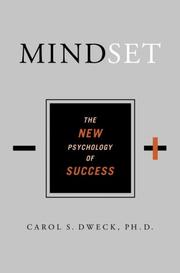
Carol S. Dweck (2006)
This is the book that separates what you can do at the moment from what you are capable of learning to do, which is a distinction that tends to matter most just after somebody has told you that you are not ready.

Harvard Business Review (2018)
This is about seeing yourself accurately, which is considerably harder than it sounds and is where the Four Threads begin, so it is a good one to read before the training rather than after it.
Invisible Work
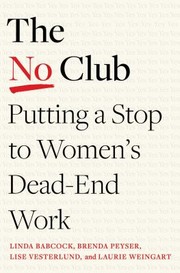
Linda Babcock; Brenda Peyser; Lise Vesterlund; Laurie Weingart (2022)
This is the best book there is on non-promotable work and who quietly ends up doing it, and it is the one to read first if the Invisible Work challenges sounded like a description of your week.
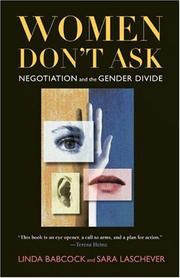
Linda Babcock; Sara Laschever (2003)
This explains why women ask for less than they are owed, and rather more usefully, what actually changes when they ask at all.
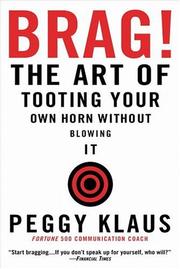
Peggy Klaus (2003)
This gives you practical scripts for describing your own work out loud without wanting to leave the room afterwards, which is a far more specific skill than general confidence.
Workload and Capacity
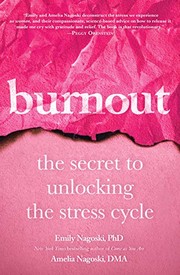
Emily Nagoski; Amelia Nagoski (2019)
This explains why finishing the thing that stressed you is not the same as finishing the stress itself, and the chapter on completing the cycle is worth the price of the book on its own.

Anne Helen Petersen (2020)
This treats burnout as a structural condition rather than a personal failure, which comes as a considerable relief if you have been quietly assuming that you are the problem.

Alex Soojung-Kim Pang (2016)
This treats rest as part of the work rather than a reward for having done it, and it brings the evidence along with it, which helps a great deal when you are trying to justify it to somebody else.
Daniel Goleman; Harvard Business Review (2018)
This is short enough that you will actually finish it, and it is about where your attention really goes on a day when everything in the building is asking for a piece of it.
The Leadership Above You

Mary Abbajay (2018)
This is the most practical book there is on working for somebody difficult without having to give up a job you otherwise want.
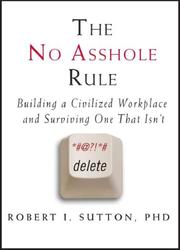
Robert Sutton (2007)
This sets out what genuinely toxic behavior costs an organization in money and in people, which makes it as useful for building the case upward as it is for surviving the person in front of you.
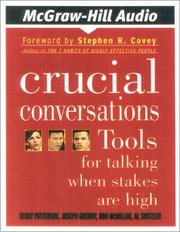
Kerry Patterson; Joseph Grenny; Ron McMillan; Al Switzler (2001)
This is the standard text on conversations where you have something real to lose, and most of the training rooms you will ever sit in are drawing on it somewhere, whether or not anybody says so.
Leading People
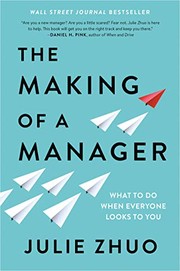
Julie Zhuo (2019)
This is for a first supervisory role, and particularly for a first one that arrived without any training attached to it.
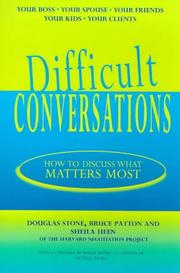
Douglas Stone; Bruce Patton; Sheila Heen (1999)
This separates what actually happened from how you feel about it and from what you fear it says about you, and once you can see those as three different things it changes how you open your mouth.

David Livermore (2009)
This is about leading people whose experience of the very same workplace is not remotely the same as your own.
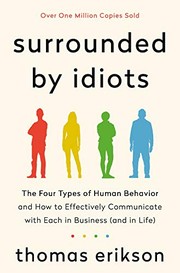
Thomas Erikson (2014)
This is a popular introduction to behavioral styles and it makes a useful contrast with the Friction Languages, though you will notice it is a good deal more confident about putting people in boxes than we are.

Kim Scott (2017)
The whole idea is to care personally and challenge directly at the same time, which is written almost exactly for the bind you find yourself in when you have to supervise your friends.
Authority and Friendship
Kim Scott (2017)
The whole idea is to care personally and challenge directly at the same time, which is written almost exactly for the bind you find yourself in when you have to supervise your friends.
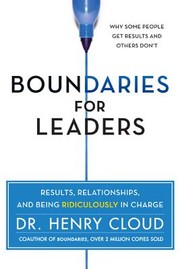
Henry Cloud (2013)
This is about what a leader is genuinely responsible for setting, and just as importantly about what is not yours to carry no matter how willing you might be to pick it up.

Adam Galinsky; Maurice Schweitzer (2015)
This is about cooperating and competing with the same people at the same time, which describes most of public service and almost never gets named as a skill.
Standards and Accountability

Kerry Patterson; Joseph Grenny; Ron McMillan; Al Switzler (2013)
This is the follow-up to Crucial Conversations and it is squarely about broken expectations, so it is the one to reach for when somebody has simply not done what they said they would.
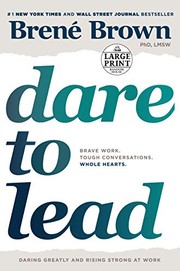
Brené Brown (2018)
This frames accountability as something you owe people rather than something you do to them, which tends to be the whole difference between a standard that holds and one that simply makes everybody careful around you.
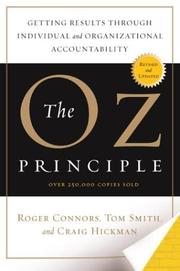
Roger Connors; Tom Smith; Craig Hickman (1994)
This one is older and rather blunter than most on the list, and it is about organizational accountability and the precise point at which it tends to break down.
Coming Up a Different Way
Carol S. Dweck (2006)
This is the book that separates what you can do at the moment from what you are capable of learning to do, which is a distinction that tends to matter most just after somebody has told you that you are not ready.

Adam Grant (2023)
This is about people who arrive by unconventional routes and why they get so consistently underestimated on the way in.
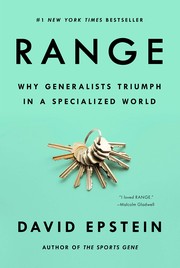
David Epstein (2019)
This makes the case for the non-linear path, which is useful reading when your own is being quietly held against you in a promotion board.
Dolly Chugh (2018)
This is about being the person nobody in the room was expecting, and it is unusually good on how perfectly decent people end up acting on bias anyway.
Not Being Believed
Christine Townsend (2025)
This is the Four Threads set out in full, and it is the book the whole training was built on, so it is where to go when you want the thinking behind a tool rather than just the tool itself.

Deborah Tuerkheimer (2021)
This is directly about the credibility discount and why institutions protect the people they choose to protect, and it is not a comfortable read, which is rather the point of it.

Caroline Criado Perez (2019)
This is the data sitting underneath the feeling, and it is very hard to argue with, which is exactly why it is worth having read before somebody tells you that you are imagining it.

Mary Ann Sieghart (2022)
This is about women being taken less seriously than the men standing beside them, with the research attached so that it does not have to rest on your word alone.
Being Read Wrong
Amy Cuddy (2015)
This is about how you carry yourself into the rooms that matter, and it is careful to explain why that is not the same thing as confidence and does not require you to feel any braver than you actually do.
Mary Ann Sieghart (2022)
This is about women being taken less seriously than the men standing beside them, with the research attached so that it does not have to rest on your word alone.
Iris Bohnet (2016)
This offers design fixes rather than attitude fixes, which makes it the one to read if you are in a position to change a process rather than change a culture.

Sally Helgesen; Marshall Goldsmith (2018)
This sets out the twelve habits that hold women back at exactly the point where they are trying to step up, and most readers find two or three of them uncomfortably familiar.
What You Carry Home
These are books rather than treatment, and a book is good company but it is not proper support. If you are struggling there is a page of crisis lines and organizations at Where to get help, including lines that are answered by people who have done this job themselves.

Laura van Dernoot Lipsky (2009)
This was written for people whose work exposes them to other people's worst days, and if you only read one book from this whole shelf then it should probably be this one.

Gemma Hartley (2018)
This is about the load that nobody counts, at work and at home, and about why it stays so completely invisible to the people who are not carrying it.
Nedra Glover Tawwab (2021)
This is practical rather than theoretical, and it is particularly good on the guilt that turns up straight after you set a boundary and makes you want to take it back again.
Kevin M. Gilmartin (2002)
This is the standard text on what this work does to a person across twenty years, and it is the book most often handed quietly from one officer to another.
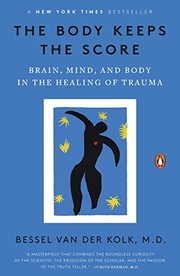
Bessel van der Kolk (2014)
This is about how trauma is held in the body rather than only in the memory, and although it is dense going it is worth the effort it asks of you.
Feeling Stuck

Dorie Clark (2021)
This is for the stretch when nothing is moving and you need a horizon that runs further out than the end of this year.

Annie Duke (2022)
This is about deciding when staying has quietly become the worse option, and it is unsentimental in a way that turns out to be very useful when everybody around you is telling you to hang on.

Bill Burnett; Dave Evans (2020)
This is about redesigning the job you already have before you decide to leave it, which is a step most people skip straight past.

Emmanuel Acho (2022)
This is about the limits you quietly accepted somewhere along the way without ever actually agreeing to them.

Meridith Elliott Powell (2021)
This is for the stretch where nothing is settled and waiting for certainty is simply not available to you as an option.
Mental Health and Wellbeing
These are books rather than treatment, and a book is good company but it is not proper support. If you are struggling there is a page of crisis lines and organizations at Where to get help, including lines that are answered by people who have done this job themselves.
Kevin M. Gilmartin (2002)
This is the standard text on what this work does to a person across twenty years, and it is the book most often handed quietly from one officer to another.

Julie Smith (2022)
This is a clinical psychologist writing in short, usable chapters, which makes it a good one for a week when you have no attention span left at all.
Bessel van der Kolk (2014)
This is about how trauma is held in the body rather than only in the memory, and although it is dense going it is worth the effort it asks of you.

Matt Haig (2015)
This one is short and honest and written from inside the experience rather than about it from a safe distance.
Menopause and Midlife

Louise Newson (2023)
This one is written by a doctor, and it is where to go when you want the clinical detail rather than the reassurance.

Jen Gunter (2021)
This puts the evidence first, and it is very good indeed on separating what is actually happening to you from what you have been sold along the way.
Suggest a book
If there is a book missing from this list that you think belongs here, tell Christine about it. You do not need to log in or leave your name.
Cover images courtesy of Open Library.